

No AI copy, please. Those four words are appearing in a growing number of comment requests from journalists.
In one sense, that’s reassuring. It shows the media still values well-crafted quotes and thought leadership that is properly researched and accurately sourced. At Magnify PR that’s our bread-and-butter.
But the fact that journalists feel the need to say it at all tells you everything. It tells you their inboxes are being buried under an avalanche of AI-generated copy.
Be in no doubt. Producing a 150-word comment through ChatGPT or Claude takes seconds. But the damage done when a commissioning editor spots it takes far longer to repair. Your credibility, and that of the agency representing you, can be gone in a single email.
Perhaps that’s why ‘should I ever use AI in content writing’ is a question clients often ask me more than ever. And as the tools improve, that question will only become more pressing.
For me, the key word is tool. That’s all AI is, and all it should ever be treated as. It’s genuinely useful for research, and for planning how a comment or article might be structured.
Cutting and pasting its output straight into a journalist’s inbox, however, is madness.
A few weeks ago, a colleague told me about a client who sent him a piece on US politics that referred to Joe Biden as President. An awkward conversation followed. Thankfully it never got to an editor.
Days later, another client sent over 500 words of polished prose they insisted was entirely their own.
Unfortunately, the ChatGPT notes left at the bottom told a different story. Sadly, that one did make it into the inbox of the journalist, and the relationship has been destroyed.
Both cases make the same point. AI doesn’t know what it doesn’t know, and it won’t tell you when it’s wrong.
So how to use it safely? Well, there is no magic formula, but these rules should always apply:
- Do use AI to generate keyword ideas, outline structures and spot gaps in your subject coverage.
- Do use it to summarise research notes or tidy up clunky sentences.
- Don’t expect it to supply original data, first-hand case studies or genuine quotes. Those have to come from you. And they are generally what any half-decent hack will be after.
- And never ever ever rely on it to fact-check. Verify every statistic, date and source independently before anything goes out.
Journalists want insight, expertise and a real voice.
That’s exactly what AI can’t provide.


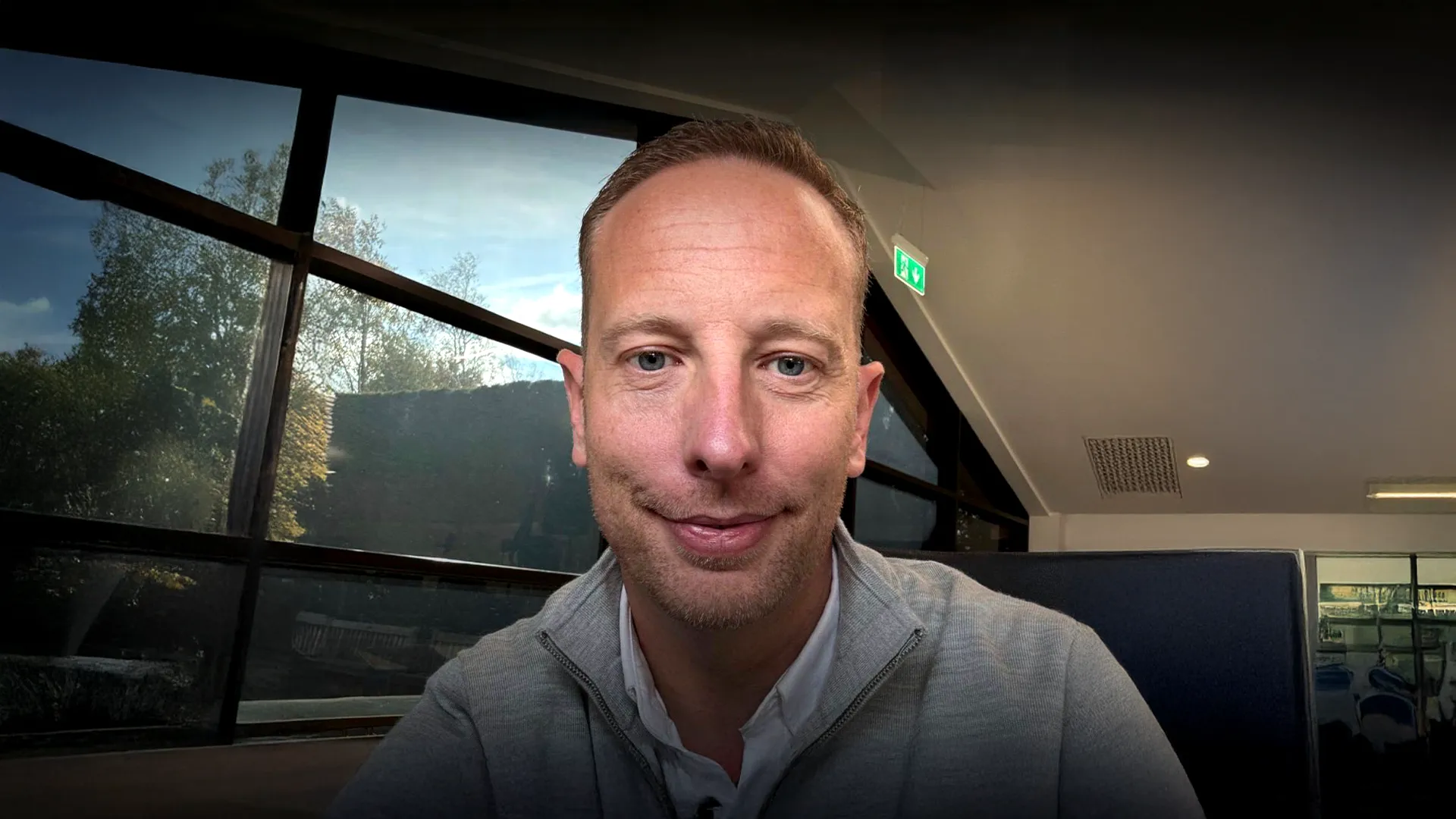

Nick Owens
Founder of Magnify PR
Nick Owens is an award-winning journalist and former Fleet Street Editor who built Magnify PR into a PR agency that operates across the UK with editorial instincts that shape strong journalism: story, timing, proof, relevance and reader value.